South East Aviation Training
Quality EASA and FAA flight training services alongside aviation psychology support for pilots, ATCOs and other aviation professionals.
Three strands of support
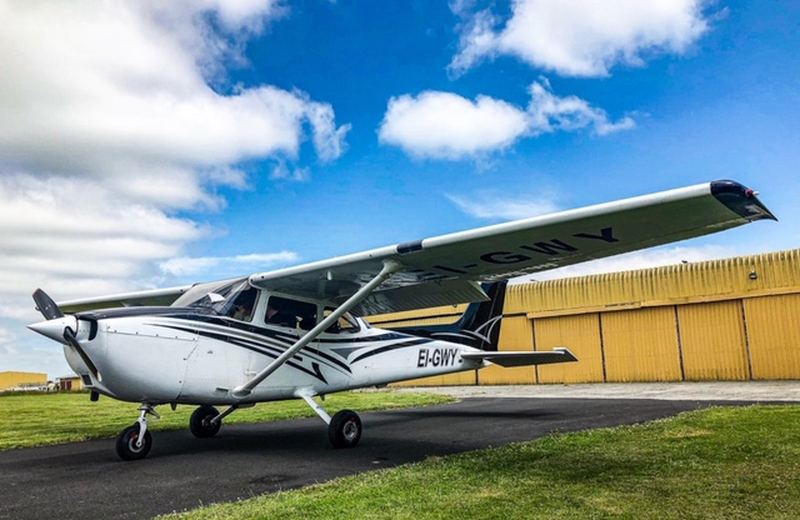
EASA Training
- Light Aircraft Pilots License (LAPL)
- Private Pilots License (PPL)
- Single Engine Piston rating (SEP)
- Night Rating
- Basic Instrument Rating (BIR)
- Flight Instructor Certificate (FI(A))
- Class Rating Instructor Certificate (CRI-SEP)
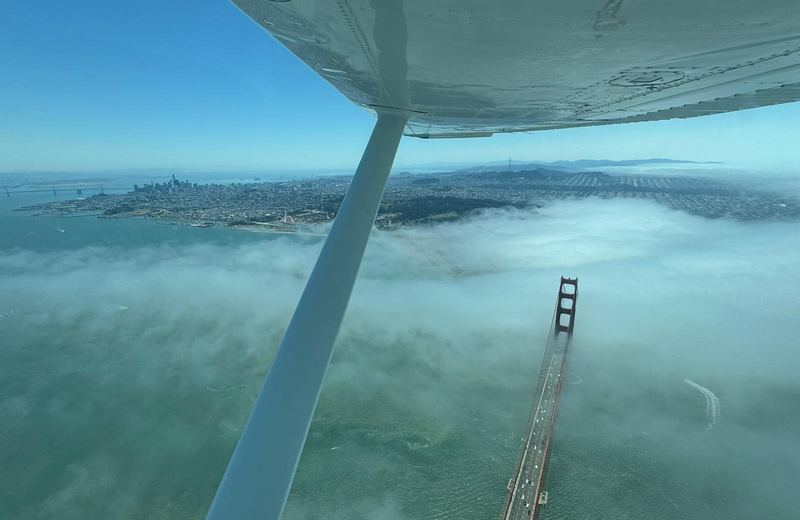
FAA Training
- FAA Flight Reviews (BFRs)
- Instrument Proficiency Checks (IPC)
- FAA & ICAO to EASA License Conversion
- FAA–EASA BASA Pathway
- Prepping for a flying holiday in the USA
- FAA 61.75 License Support
Aviation Psychology
- Aviation Psychotherapy
- Psychological Assessments
- Forensic and Behavioural Support
- High-Risk Professional Support
- Approaches
- Career coaching
Setting out on the right path
Whether you are taking the first steps towards professional aviation or you are very happy in your day job and wish to fly purely for enjoyment, it is critical to set out on the right path and with the right support.
Our key tips for anyone starting out on their flight training journey
- Understand the difference between modular and integrated training, and the advantages and disadvantages of each.
- Flight training is expensive, so own and manage your training journey and do not rely on others to plan it for you.
- Prepare in advance for each lesson. Aim to spend at least twice the length of each planned lesson reviewing the material and mentally preparing.
- Find an instructor who wants to instruct. This may sound strange, but look out for someone who genuinely wants to teach and is not simply using your flight time to log hours themselves.
- Study for the theory exams rather than just learning how to pass them. This knowledge provides the fundamental building blocks that are critical for safe flying for years to come.
- Ask questions. Ask lots of questions.
- Finally, if you are not enjoying it then it is time to question what is going wrong. Frustrations are part of the journey, whether caused by weather, finances or aircraft availability, but if you are not enjoying the process then take time to understand why before you spend any more money.
Aviation Psychology
In the cockpit, there is always a checklist. Clear steps. Defined procedures.
But what about on the ground, when things go wrong inside rather than outside? When stress builds, trauma lingers, or emotions cloud judgment. When there is no quick manual, no checklist to guide recovery.
That is where we come in. We provide specialised psychological services for aviation professionals, including pilots, crew, air traffic controllers, and those working in high-pressure, high-responsibility environments. Our services are rooted in clinical excellence and a deep understanding of the industry.
Louise Farrell-Doyle
EAAP Aviation Psychologist
Louise Farrell-Doyle is a Psychologist and Psychoanalytic Psychotherapist with memberships across key professional bodies including the PSI, BPS, APPI, ICP, and EAAP.
Her academic credentials include specialised training in Criminal and Forensic Psychology (BSc), Behavioural Analysis (Queens University), Psychotherapy (MSc, UCD School of Medicine), Psychoanalytic Psychotherapy (Post-Masters, School of Psychotherapy, St. Vincent’s University Hospital), and Applied Forensic Psychology (MSc, Buckinghamshire New University). She is currently advancing her research through Doctoral studies in Aviation Psychology at BNU specialising in Pilot Peer Support.
With proficiency and expertise in gold-standard assessment tools, including ADOS and CAARS4, Louise provides comprehensive evaluations for neurodevelopmental conditions. Her extensive forensic background and behavioural analysis training inform her specialised approach to complex trauma and psychological assessment.
Louise is recognised for her trauma-informed approach. Her practice integrates multiple therapeutic modalities including CBT, DBT, and psychoanalysis to effectively address anxiety, trauma, and stress-related conditions.
In addition to her clinical practice, Louise has developed notable expertise in supporting high-risk professionals, providing specialised mental health services to Police, Defence Forces, and Aviation personnel. Her aviation psychology practice includes both assessment and ongoing psychological support for industry professionals.
With her wealth of experience, specialised training, and compassionate care, Louise is dedicated to delivering exceptional mental health services to a diverse range of individuals and organisations.
Talk to us
Tell us where you are in your flying, or what support you need, and we will come back to you.